Step 1
Diagnose current AI leverage
Start by identifying your current rung (Adopt, Automate, Augment, Architect) and the next specific move.
Uses sections: AI Leverage Ladder, AI-Proof Role Strategy[3]
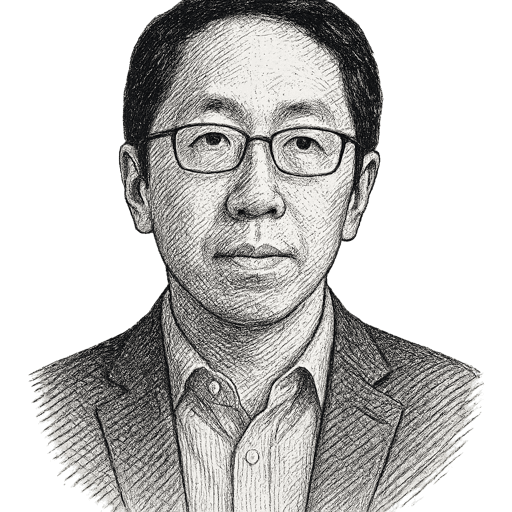
Andrew Ng Philosophy
How Andrew Ng's practical AI lens maps to MainQuest's workflow-first, proof-first career planning framework.
This audit uses Andrew Ng's lens: practical AI adoption, workflow leverage, and measurable delivery.
Step 1
Start by identifying your current rung (Adopt, Automate, Augment, Architect) and the next specific move.
Uses sections: AI Leverage Ladder, AI-Proof Role Strategy[3]
Step 2
Choose one workflow, define a weekly loop, and add quality, privacy, and human-review constraints.
Uses sections: Workflow Augmentation Blueprint, Evaluation & Guardrails[3]
Step 3
Map AI + domain intersections where your context and execution evidence are difficult to copy.
Uses sections: AI + Domain Moat Map[3]
Step 4
Publish a short proof-of-work sprint with milestones, success metrics, and distribution channels.
Uses sections: Proof-of-Work Portfolio Sprint[3]
Section 1
Pinpoint your AI adoption level and next rung for compounding advantage.
Section 2
Turn one workflow into a safe, measurable AI-assisted system.
Section 3
Identify defensible intersections of AI capability and domain expertise.
Section 4
Define a short, shippable project that proves applied AI capability.
Section 5
Prevent low-quality AI output with explicit controls and ownership.
Section 6
Choose the right AI role archetype and next move based on your profile.
These are simple examples of output shape, based on live section types. They are not invented biography claims.
A concise 30-60-90 day plan anchored to workflow gains.
Three defensible intersections with demand scores and next actions.
Practical AI adoption with measurable workflow outcomes, not abstract AI theory.
Guardrails are part of the philosophy itself: quality, privacy, and human review are first-class constraints.
They are format examples derived from live section structures, not invented biography claims.
lib/prompts/andrew-ng.ts)lib/models.ts)